
 Alcumus SafeWorkforce

The latest figures from the Health and Safety Executive (HSE) show that 126 workers lost their lives in work-related accidents across Great Britain in 2025/26. While that number has fallen slightly over time, the underlying risks haven’t changed. For many small businesses, that’s the real challenge.
Health and safety is often managed alongside everything else. Training records sit in spreadsheets, certificates live in inboxes, and it’s not always easy to get a clear view of who’s qualified to do what. But when something goes wrong, that lack of clarity can quickly become a real risk.
Fatal worker injuries by industry, 2025/26
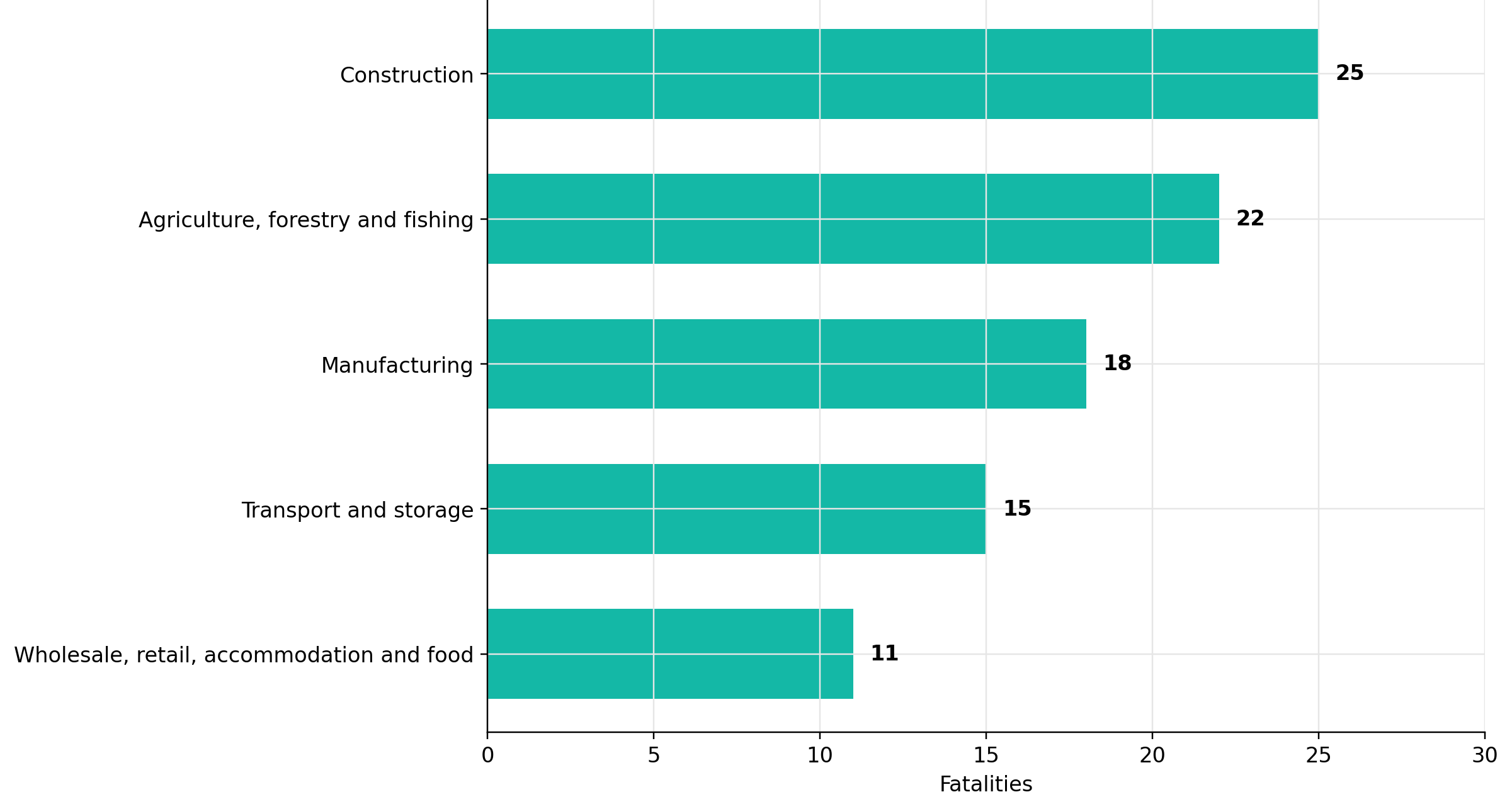
The HSE’s data continues to highlight the same, well-known causes of fatal incidents:
These risks are most common in industries like construction, manufacturing, agriculture and logistics, but they can affect any business where people are doing practical, hands-on work.
The important thing to recognise is this: these aren’t new risks. They’re known, predictable and preventable when managed properly.
In a small business, the impact of a safety issue is often felt more widely. If one person is injured or unable to work, it can affect:
And when health and safety is just one of many responsibilities, it is easy for things like training records or certification updates to slip through the cracks. That is where having a clear, simple view of your workforce really matters.
Most small businesses do not need complex systems or huge databases. They just need to be able to answer simple questions, quickly:
If that information is not easy to access, it creates uncertainty and often leads to last-minute scrambling.
When incidents are investigated, common factors often come back to:
This does not mean people do not care or are not capable. More often, it comes down to not having clear, accessible information when it is needed. Keeping training and competency records organised and up to date helps make sure your team is:
It also makes day-to-day management much easier.
Falls from height continue to be the leading cause of fatalities in Great Britain. These are tasks that typically rely on:
If any of these elements are missed, or not properly tracked, the risk increases significantly. Being able to quickly check who is trained, what is in date and what needs attention can make all the difference.
For small businesses, improving safety does not have to mean adding more complexity. In fact, it is often the opposite. When your safety information is:
It:
It also gives you confidence that things are under control, not just on paper but in practice.
Having the right information in one place makes it much easier to:
It shifts safety from something reactive to something proactive.
Good health and safety is not about ticking boxes. It is about making sure people go home safe at the end of the day while keeping your business running smoothly. That becomes much easier when you have a clear view of your team, their skills and where you might need to take action.
The latest fatality figures are a reminder that the biggest risks at work are often the ones we already know about. For small businesses, the challenge is not understanding those risks. It is staying on top of everything day to day. By keeping your training, qualifications and safety information clear and accessible, you are in a much stronger position to:
Because when it comes to safety, clarity is what allows you to act early.
SafeWorkforce gives small and growing businesses a simple way to keep track of:
All in one place. No more digging through spreadsheets or chasing paperwork. Just a clear view of where you stand. And when you need support, our experts are there to help, answering questions, guiding you on best practice and helping you spot gaps early. It is about giving you confidence that your safety approach is working without adding unnecessary complexity.
It means being able to easily see who in your team is trained, qualified and compliant without having to search through multiple systems or documents.
Because when teams are small, gaps in training or compliance can have a bigger impact. Having clear information helps you stay in control and avoid disruption.
The most common causes include:
By keeping things simple:
Get in touch for expert advice or book a demo to see how SafeWorkforce can support your business.

Related Insights