 Alcumus SafeWorkforce

Running a business means spinning a lot of plates at once. Between managing your team, keeping clients happy, and looking after the bottom line, it is easy to let certain administrative tasks slip down the priority list. However, making sure your staff return home safely at the end of the day is the most important responsibility any employer has. This is exactly where a health and safety audit comes into the picture.
If the word “audit” makes you picture an intimidating inspector with a clipboard looking for reasons to penalise you, you are not alone. Many business owners feel a sense of dread when they hear the term. But the reality is quite different. An audit is simply a health check for your business operations. It is a supportive, proactive process designed to find out what is working well and identify areas where you might need a little extra help.
By understanding how your current safety measures measure up against legal requirements, you can make informed decisions that protect both your people and your business. Let us look closer at what a health and safety audit actually involves, why it matters, and how it can give you total peace of mind.
At its heart, a health and safety audit is an independent, objective evaluation of your organisation’s health and safety management systems. While a standard risk assessment looks at specific hazards in the workplace, an audit takes a step back to view the bigger picture. It asks a fundamental question: is your overall strategy for managing workplace safety actually working?
The process evaluates your existing policies, procedures, and practices against current UK health and safety legislation. The goal is not to catch you out. Instead, it identifies gaps in your current setup and provides clear, actionable advice on how to fix them. This ensures you remain compliant with the law while fostering a culture that genuinely prioritises employee wellbeing.
Knowing what to expect can remove the anxiety from the auditing process. A thorough health and safety audit typically breaks down into three main stages.
The auditor will start by looking at your paperwork. This includes your health and safety policy, health and safety training records, previous risk assessments, and accident logs. They want to see that you have a solid foundation in place and that your written procedures meet the necessary legal standards.
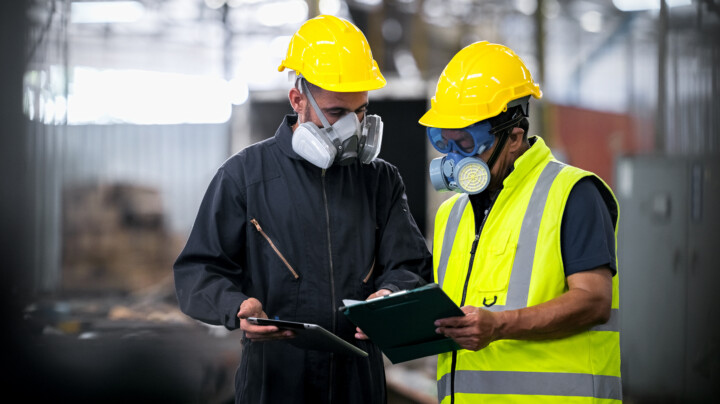
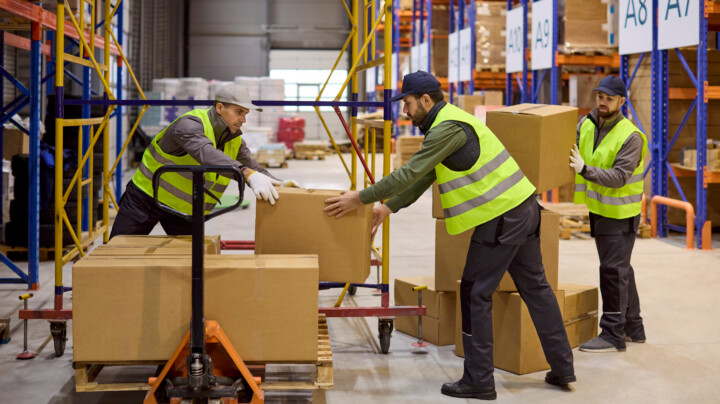
Next comes the physical walkthrough of your workplace. The auditor will observe your daily operations to see if the written policies are actually being followed in practice. They will check everything from fire exits and emergency signage to how hazardous substances are stored and how machinery is operated.
A good audit involves talking to the people who are on the ground every day. The auditor might have casual chats with your staff to gauge their understanding of safety procedures. This helps determine if your safety culture has successfully filtered down from management to the wider team.
It is very common to confuse an audit with a risk assessment, but they serve two distinct purposes.
A risk assessment is a practical exercise focused on identifying specific hazards in the workplace, like a trailing cable, a noisy machine, or a blocked fire exit, and putting measures in place to control those specific risks.
An audit evaluates the management system that ensures risk assessments are carried out effectively.
Think of the risk assessment as checking the engine oil, while the audit is the comprehensive MOT that makes sure the whole car is roadworthy and legally compliant.
Investing time in health and safety audits brings several tangible benefits to your organisation.
Firstly, it keeps you on the right side of the law. Health and safety legislation is constantly evolving, and falling behind can lead to severe financial penalties and reputational damage. An audit highlights exactly what you need to do to stay compliant.
Secondly, it saves you money in the long run. By proactively identifying systemic flaws, you reduce the likelihood of workplace accidents. Fewer accidents mean fewer disruptions to your operations, lower absence rates, and reduced risk of expensive compensation claims.
Finally, it boosts staff morale. When employees see that you are actively investing in their safety, it builds trust and loyalty. A safe workplace is a productive workplace, and a strong safety culture often translates to better overall business performance.
Best practice suggests having a comprehensive health and safety audit conducted at least once a year. However, if your business undergoes significant changes, such as moving to a new premises, installing new machinery, or experiencing a major management restructure, you should arrange an audit sooner to ensure your systems remain effective.
To get the most accurate and unbiased results, an audit should be carried out by a competent, independent professional. While internal audits are useful, bringing in an external expert ensures that nothing is overlooked due to familiarity with the workplace.
No. An auditor is there to help, not to shut you down. If they identify areas of non-compliance, they will provide you with a clear, prioritised action plan. The only time work would be stopped is if there is an immediate, critical danger to life, and discovering that before an accident happens is exactly why the audit is so valuable.
A health and safety audit is more than just a legal formality it is a proactive step to protect your employees, your business, and your reputation. Regular audits ensure that your policies and practices are effective, your team is safe, and you remain compliant with ever-changing UK legislation.
Partnering with SafeWorkforce gives your business the guidance and expertise needed to meet compliance requirements efficiently, reduce risk, and foster a safer, more productive workplace for everyone.
With SafeWorkforce in your corner, you can focus on running your business, confident that your compliance is in expert hands. Visit the SafeWorkforce website today to find out how our friendly experts can help you build a safer, stronger organisation.
Get in touch for expert advice or book a demo to see how SafeWorkforce can support your business.
Related Insights