 Alcumus SafeWorkforce
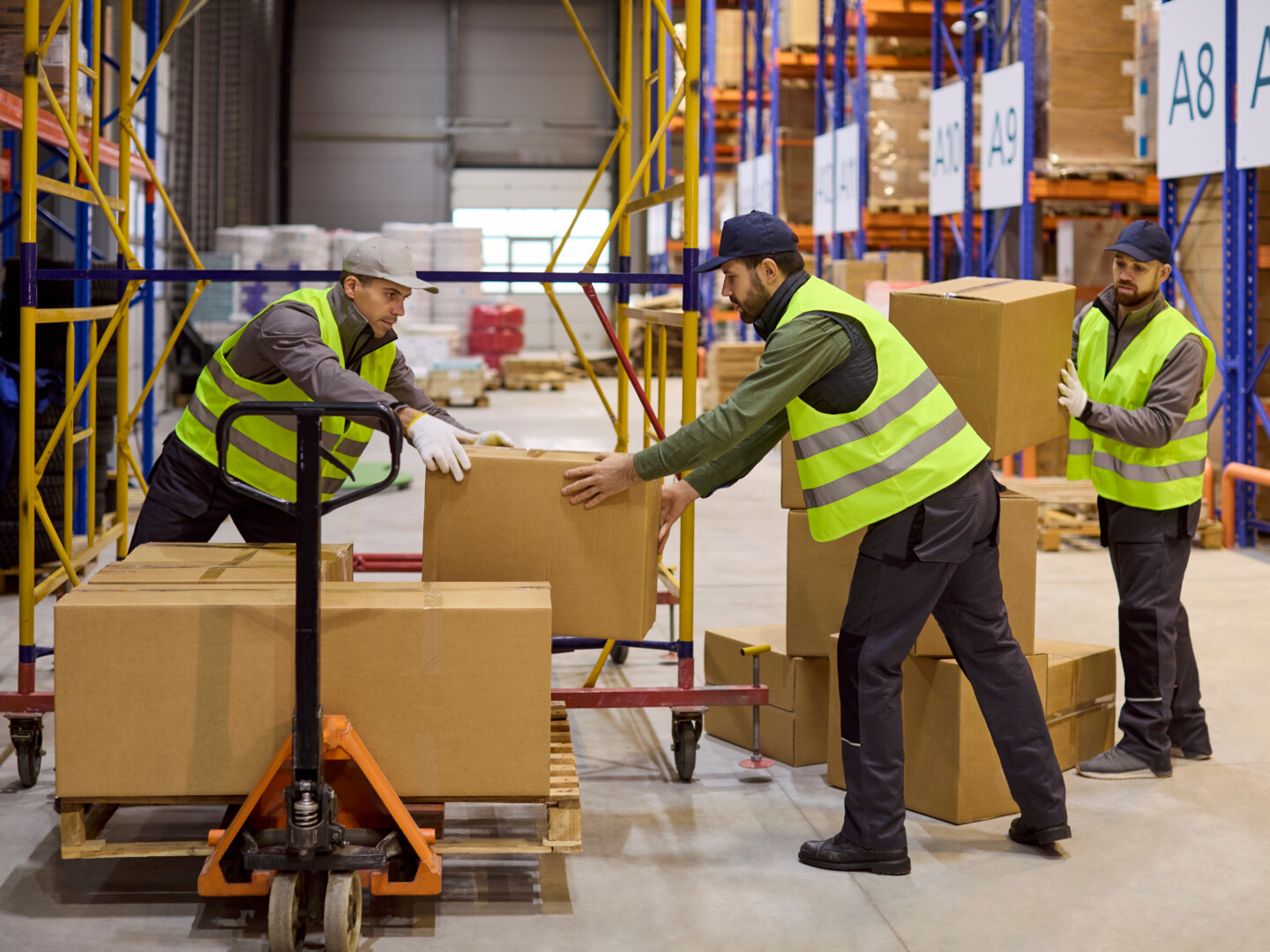
Manual handling remains one of the leading causes of workplace injuries across the UK. Tasks such as lifting, carrying, pushing, pulling or moving loads can place employees at risk of strains, sprains and other musculoskeletal disorders (MSDs) when not carried out safely.
A thorough manual handling risk assessment helps businesses identify hazards, reduce risks and create safer working environments. By recognising poor manual handling practices early, organisations can take proactive steps to prevent injuries and maintain compliance with health and safety legislation.
A manual handling risk assessment is a process used to identify, evaluate and control risks associated with manual handling activities in the workplace.
Under the Manual Handling Operations Regulations 1992 (as amended), employers must:
Regular reviews help ensure assessments remain relevant as workplaces, equipment and processes change.
Poor manual handling can result in:
Identifying unsafe behaviours through a manual handling risk assessment can help businesses take corrective action before incidents occur.
One of the most common indicators of poor manual handling is employees using unsafe lifting methods.
Examples include:
These behaviours increase the likelihood of injury and may indicate the need for additional health and safety training or supervision.
A manual handling risk assessment should consider whether the load itself creates an unacceptable level of risk.
Warning signs include:
Where risks are identified, businesses should consider alternative methods of moving materials or introducing suitable equipment.
Where handling equipment is available, employees should be encouraged and trained to use it correctly.
Potential concerns include:
A manual handling risk assessment should evaluate whether equipment is appropriate, maintained and being used effectively.
Poor workplace design can contribute significantly to manual handling problems.
Common issues include:
Improving workplace organisation can often reduce manual handling risks quickly and effectively.
Employees are often the first to identify potential manual handling concerns.
Reports of the following should be investigated:
These warning signs may indicate that existing controls are not adequately managing risk.
Incident records can provide valuable insight into manual handling performance.
Patterns to monitor include:
Investigating these events can help identify recurring hazards before more serious incidents occur.
Training plays an important role in supporting safe manual handling practices.
Businesses should review:
If employees cannot demonstrate safe handling techniques, further instruction may be needed.
When assessing workplace activities, consider the following questions:
Regularly reviewing these areas helps organisations maintain a proactive approach to health and safety.
Effective risk management should focus on:
Taking these steps can help reduce the likelihood of injuries while supporting a positive safety culture.
SafeWorkforce provides expert-led health and safety support to help businesses identify workplace risks, maintain compliance and improve safety performance. Services include health and safety consultancy, documentation reviews, health and safety audits, risk assessment support and expert guidance tailored to your business needs. SafeWorkforce can also act as your competent person under the Management of Health and Safety at Work Regulations and provide access to health and safety expertise when required.
A well-structured manual handling risk assessment can help identify unsafe practices before they result in injuries, disruption or compliance issues.
Speak to the SafeWorkforce team today to discover how our expert health and safety support can help you identify risks, strengthen compliance and create a safer workplace for your people.
A manual handling risk assessment is the process of identifying hazards associated with lifting, carrying, pushing, pulling or moving loads and implementing measures to reduce the risk of injury. It helps employers comply with the Manual Handling Operations Regulations 1992 (as amended).
A manual handling risk assessment should be reviewed whenever there are significant changes to tasks, equipment, working environments or workforce arrangements. It should also be reviewed following an accident, incident or near miss involving manual handling activities.
Common warning signs include employees using incorrect lifting techniques, frequent reports of aches and pains, recurring manual handling injuries, poor storage arrangements, inadequate use of handling equipment and outdated risk assessments.
Employers must provide appropriate information, instruction and training where manual handling risks exist. Training helps employees understand safe handling techniques and how to carry out tasks safely, reducing the risk of workplace injuries.
SafeWorkforce provides expert-led health and safety support, including risk assessment guidance, health and safety audits, compliance advice and consultancy services. Our experts can help businesses identify workplace risks, implement practical controls and maintain compliance with health and safety requirements.
Get in touch for expert advice or book a demo to see how SafeWorkforce can support your business.

Related Insights