 Alcumus SafeWorkforce

When a business reaches five or more employees, its health and safety responsibilities become more formalised. In the UK, employers are legally required to have a written health and safety policy, record significant risk assessment findings, and implement structured procedures to manage workplace risks and remain compliant with regulations.
Every employer, regardless of size, has a duty to protect the health, safety, and wellbeing of their employees. However, reaching this threshold introduces additional responsibilties to ensure workplace risks are properly managed, controlled, and documented.
One of the most important changes is the legal requirement to have a written health and safety policy. This document sets out how the organisation manages workplace safety, identifies those responsible for specific duties, and outlines the procedures in place to prevent ill health, accidents and injuries.
While businesses with fewer than five employees are not legally required to document their health and safety policy, having one is still regarded as good practice.
A written health and safety policy generally contains three key sections. The first is the statement of intent, which demonstrates the employer’s commitment to maintaining a safe and healthy working environment. The second outlines the organisation of health and safety, clearly defining roles and responsibilities. The final section covers arrangements, detailing how hazards are identified, risks are assessed, and control measures are implemented and monitored.
Risk assessments also become increasingly important as a business expands. All employers are required to assess workplace risks, but organisations employing five or more people must record their findings.
This involves identifying hazards, determining who may be affected, evaluating the level of risk, and implementing suitable control measures to reduce or eliminate potential harm. Maintaining documented assessments can also support legal compliance and continuous improvement.
Employee consultation is another essential responsibility. Employers are required to involve employees in health and safety matters, either directly or through elected representatives or a health and safety consultancy. This may include discussions around workplace hazards, procedural changes, and incident reporting. Actively involving employees helps to create a positive safety culture and encourages concerns to be raised and addressed at an early stage.
As workforce numbers increase, health and safety training and communication must also become more structured. Employers must ensure employees receive appropriate training, particularly when starting a new role, using new machinery or equipment, or being exposed to new risks within the workplace. In larger organisations, this often requires formal training programmes and accurate training records to demonstrate compliance with legal obligations.
Accident reporting and record-keeping requirements may also expand. Employers must maintain an accident book to record workplace incidents, including injuries, illnesses, and any dangerous occurrences that may need to be reported to the relevant authorities under statutory regulations. Accurate record-keeping helps to identify recurring issues and supports preventative action.
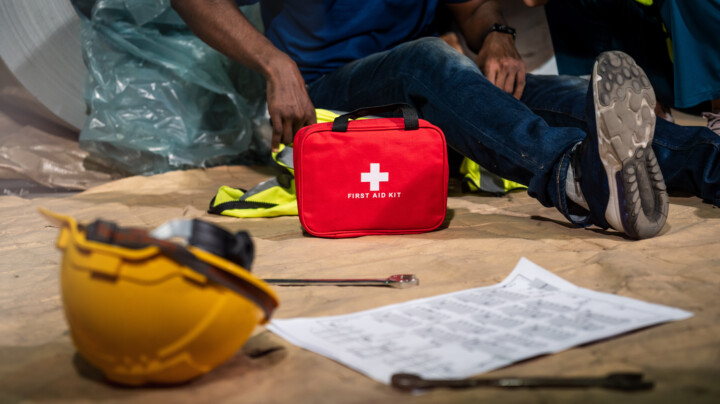
In addition, employers must ensure suitable workplace facilities and welfare arrangements are in place. This includes adequate first aid provision, safe and well-maintained equipment, effective ventilation, and access to clean welfare and rest facilities.
As a business grows, compliance with health and safety legislation can become increasingly complex. Many organisations choose to seek specialist support to manage these responsibilities effectively.
At SafeWorkforce, we provide guidance, ongoing support, and access to dedicated health and safety consultants who can advise and assist with achieving and maintaining compliance.
Failure to meet health and safety regulations can, in some cases, lead to serious consequences, including enforcement action, financial penalties, legal proceedings, and reputational damage. More importantly, inadequate health and safety management can result in employee injury or illness, with long-term effects for both individuals and the organisation.
Ultimately, employing five or more people represents a shift from informal processes to a more structured approach to health and safety management. By implementing clear policies, recording risk assessments, and actively engaging employees, businesses can not only meet their legal responsibilities but also create a safer, healthier, and more productive working environment.
Managing health and safety as your business grows does not need to be overwhelming. SafeWorkforce supports organisations at every stage of their journey, helping you move from reactive processes to a more structured, proactive approach.
Whether you need support creating a compliant health and safety policy, documenting and reviewing risk assessments, or building a consistent approach to training and reporting, our expert consultants are here to help. We work alongside your business to simplify compliance, reduce risk, and give you confidence that your health and safety responsibilities are being met.
By partnering with SafeWorkforce, you can focus on growing your business, knowing your people, processes, and workplace standards are supported by a robust and reliable health and safety framework.
Yes. UK employers with five or more employees are legally required to have a written health and safety policy and record significant risk assessment findings.
Businesses employing five or more people must record their significant risk assessment findings and control measures.
Failure to comply with health and safety law can result in enforcement action, fines, legal proceedings, and reputational damage.
Get in touch for expert advice or book a demo to see how SafeWorkforce can support your business.

Related Insights