 Alcumus SafeWorkforce
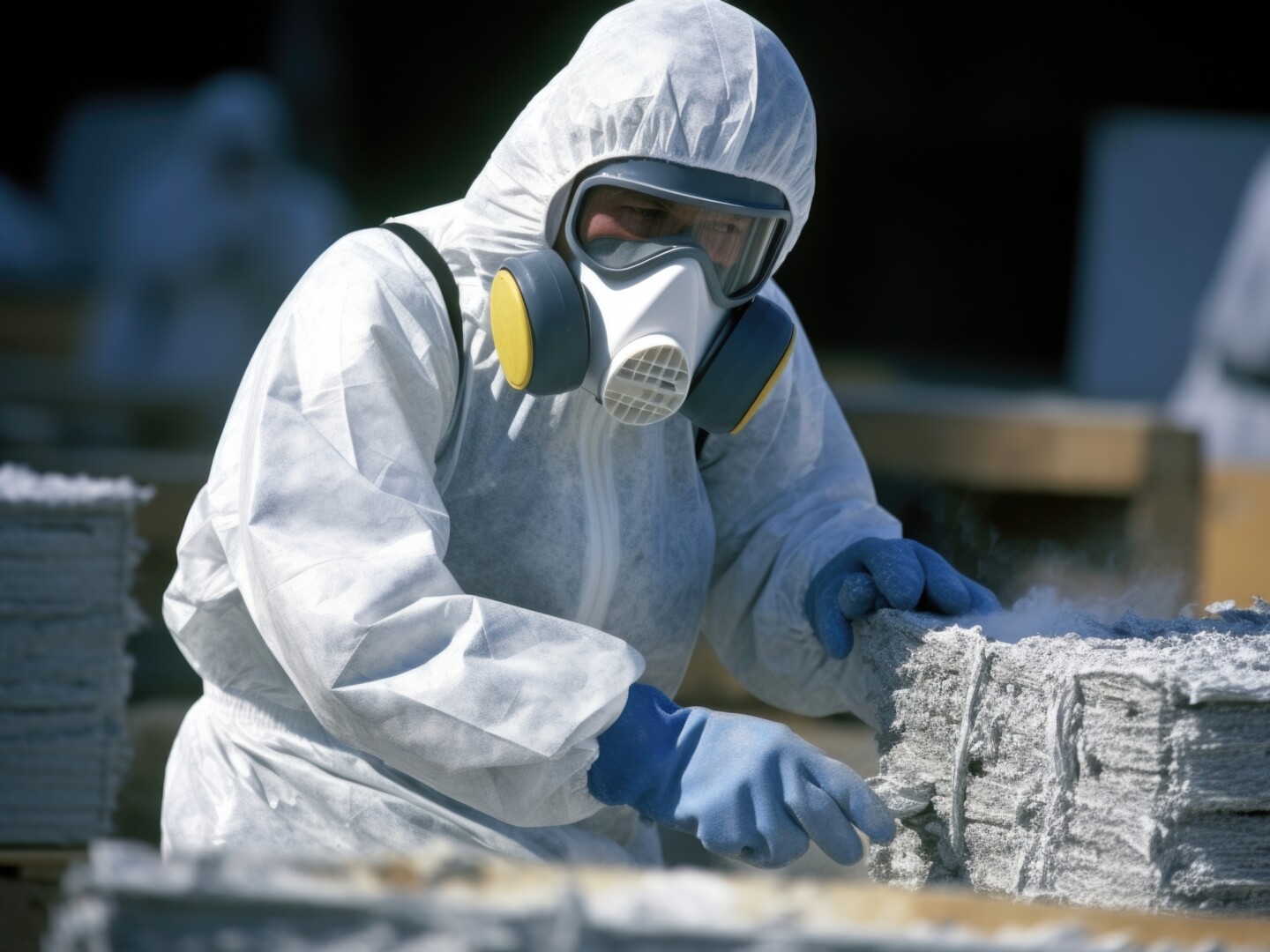
Asbestos may feel like a problem of the past, but in reality, it remains a very real risk in many commercial buildings across the UK. If your property was built or refurbished before the year 2000, there’s a strong possibility that asbestos-containing materials (ACMs) are still present.
With National Asbestos Awareness Week 2026 approaching, it’s the perfect time for business owners, landlords, and facilities managers to understand where asbestos might be hiding, and what steps to take if you discover it.
Asbestos was widely used throughout the 20th century due to its strength, fire resistance, and insulating properties. It was incorporated into thousands of building materials, making it a common feature in older commercial properties.
However, asbestos becomes dangerous when disturbed. When materials containing asbestos are damaged, cut, drilled, or deteriorate over time, they can release microscopic fibres into the air. These fibres, when inhaled, can lead to serious health conditions such as asbestosis, lung cancer, and mesothelioma.
Because of these risks, strict regulations are in place to ensure asbestos is properly managed in commercial environments.
Asbestos isn’t always obvious. In many cases, it’s hidden within everyday materials. Knowing where to look is the first step in managing risk effectively.
Some of the highest-risk asbestos materials are found in insulation, including:
These materials are particularly hazardous because they can easily release fibres if disturbed and are often located in maintenance areas where work is regularly carried out.
Common in offices, retail units, and public buildings, ceiling materials may contain asbestos, especially in properties built or refurbished before the late 1990s.
These are generally considered lower risk when in good condition. However, renovation work such as lifting tiles or sanding floors can create significant exposure risks.
AIB was widely used for fire protection and insulation, making it common in service risers, corridors, and plant rooms.
While often more stable than internal materials, external asbestos can degrade over time due to weather exposure, increasing the risk of fibre release.
These materials can be particularly dangerous due to their friable nature, meaning they can release fibres more easily when disturbed.
If you suspect asbestos in your building, taking the right steps early can prevent unnecessary risk and ensure compliance with regulations.
Avoid drilling, cutting, sanding, or handling the material. Even minor disturbance can release harmful fibres into the air.
A qualified asbestos survey is essential to:
For commercial properties, this is often a legal requirement under the Control of Asbestos Regulations.
Not all asbestos must be removed. If the material is in good condition and unlikely to be disturbed, it can often be safely managed in place through monitoring and control measures.
If removal is necessary, it must be carried out by licensed asbestos contractors. Attempting to remove asbestos without the proper health and safety training, equipment, and certification can be extremely dangerous and may result in legal consequences.
Duty holders are responsible for keeping accurate records of:
This information should be shared with contractors and anyone carrying out work on the premises.
Managing asbestos isn’t about alarm, it’s about awareness, planning, and control. With the right approach, the risks associated with asbestos can be effectively minimised.
National Asbestos Awareness Week 2026 is a valuable reminder to review your building, update your asbestos management plan, and ensure you’re meeting your legal responsibilities.
Managing asbestos in commercial buildings can feel complex, but you don’t have to handle it alone. SafeWorkforce supports businesses across the UK with straightforward, compliant asbestos management solutions.
Our services include:
We understand that no two buildings, or businesses, are the same. That’s why we focus on delivering clear guidance without unnecessary jargon, helping you make confident, informed decisions.
Whether you manage a single site or a large property portfolio, SafeWorkforce can help you stay compliant, reduce risk, and protect the people who use your buildings every day.
Asbestos may be hidden, but it shouldn’t be overlooked. Understanding where it’s commonly found, and knowing how to respond, is key to maintaining a safe and compliant commercial environment.
If you’re unsure about the presence of asbestos in your building, seeking professional advice is always the safest first step. Acting early not only protects health but also gives you greater control over long-term costs and compliance.
SafeWorkforce provides expert health and safety consultancy tailored to your business, helping you reduce risk, stay compliant, and protect your people.

Related Insights