 Alcumus SafeWorkforce
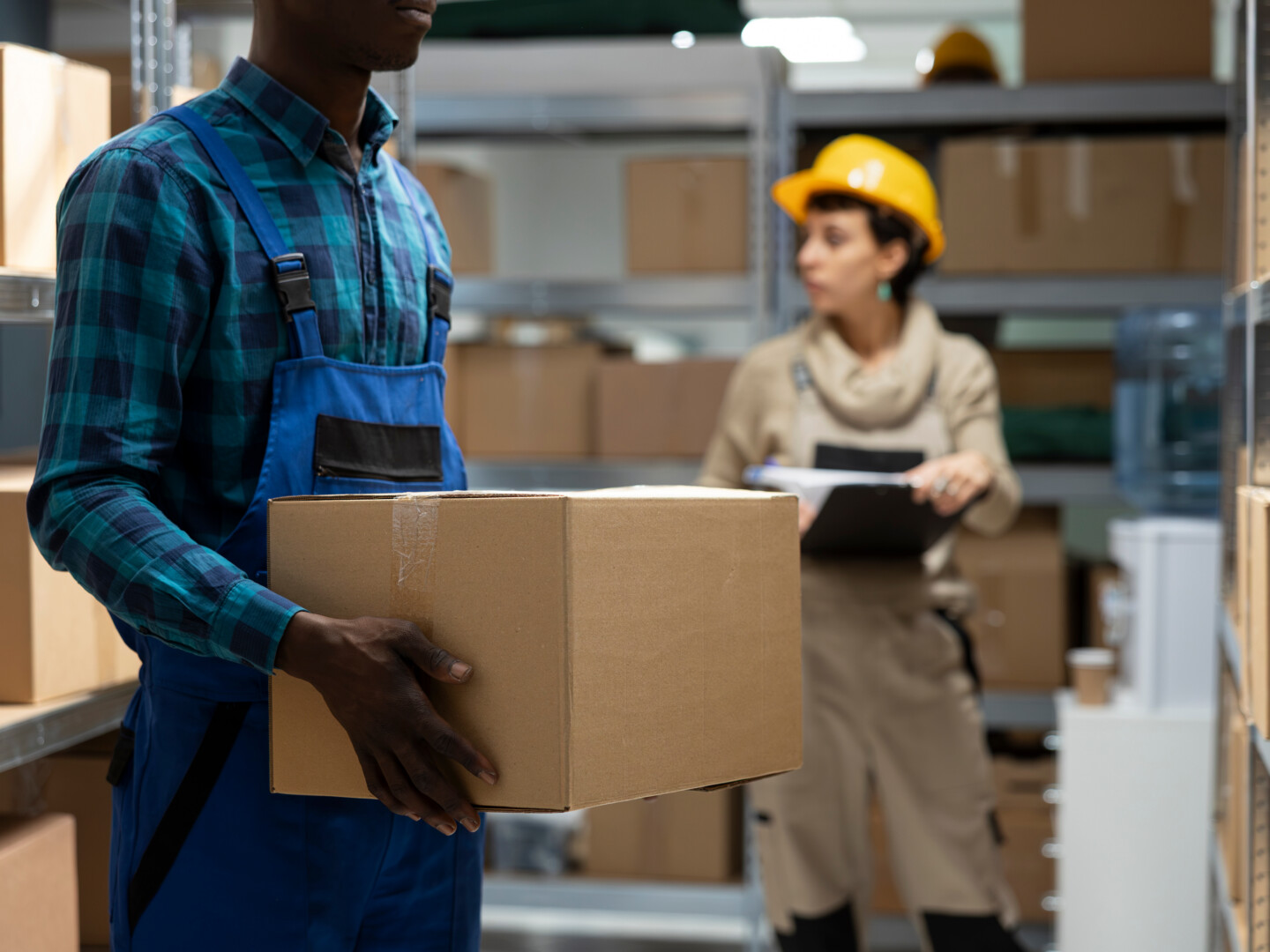
Manual handling includes lifting, carrying, pushing, pulling or moving loads by hand or bodily force. It remains one of the leading causes of workplace injury, accounting for thousands of lost working days every year. For small businesses, even one incident can lead to staff shortages, increased costs, reduced productivity and potential legal action. The good news is that most manual handling incidents are preventable.
Here are the five most common mistakes we see.
Many employees believe they already know how to lift safely, but without proper training, poor habits can develop quickly. Regular manual handling training helps reinforce safe techniques and keeps safety front of mind, but employers training alone isn’t enough. Employers should also be confident that workers can apply those safe manual handling techniques in practice and understand the risks associated with their specific tasks.
Rushing into a lift without considering the load, route or environment often leads to injury. Encourage staff to stop and assess the task before lifting. Ask: Is the load too heavy? Can it be broken down? Is there a safer way? Taking a few moments to assess the risks can help workers make safer decisions and reduce the likelihood of injury. This is particularly important when handling unfamiliar, bulky or awkward loads.
Trolleys, sack trucks and lifting equipment are there for a reason, yet they’re often left unused because it feels quicker to carry the load. Making lifting equipment readily available and encouraging staff to use it, can reduce physical strain, minimise injuries and improve efficiency across the workforce.
Heavy or frequently used items stored at floor level or above shoulder height can increase the risk of strains. Organising storage so items are easily accessible reduces unnecessary lifting and awkward movements.
Businesses change, and so do the tasks employees carry out. Regularly reviewing manual handling activities ensures your risk assessments remain relevant and effective. This is particularly important when introducing new equipment, changing work processes or taking on new staff, as these changes can create new manual handling risks.
Good manual handling is about more than compliance. It helps protect your people, reduce disruption and keep work moving safely and efficiently. By reviewing manual handling tasks regularly and making sure employees have the right training, equipment and support, businesses can prevent avoidable injuries and build safter working habits.
To find out how SafeWorkforce can help you track workforce training, competence and compliance, get in touch with our team.
Get in touch for expert advice or book a demo to see how SafeWorkforce can support your business.
Related Insights